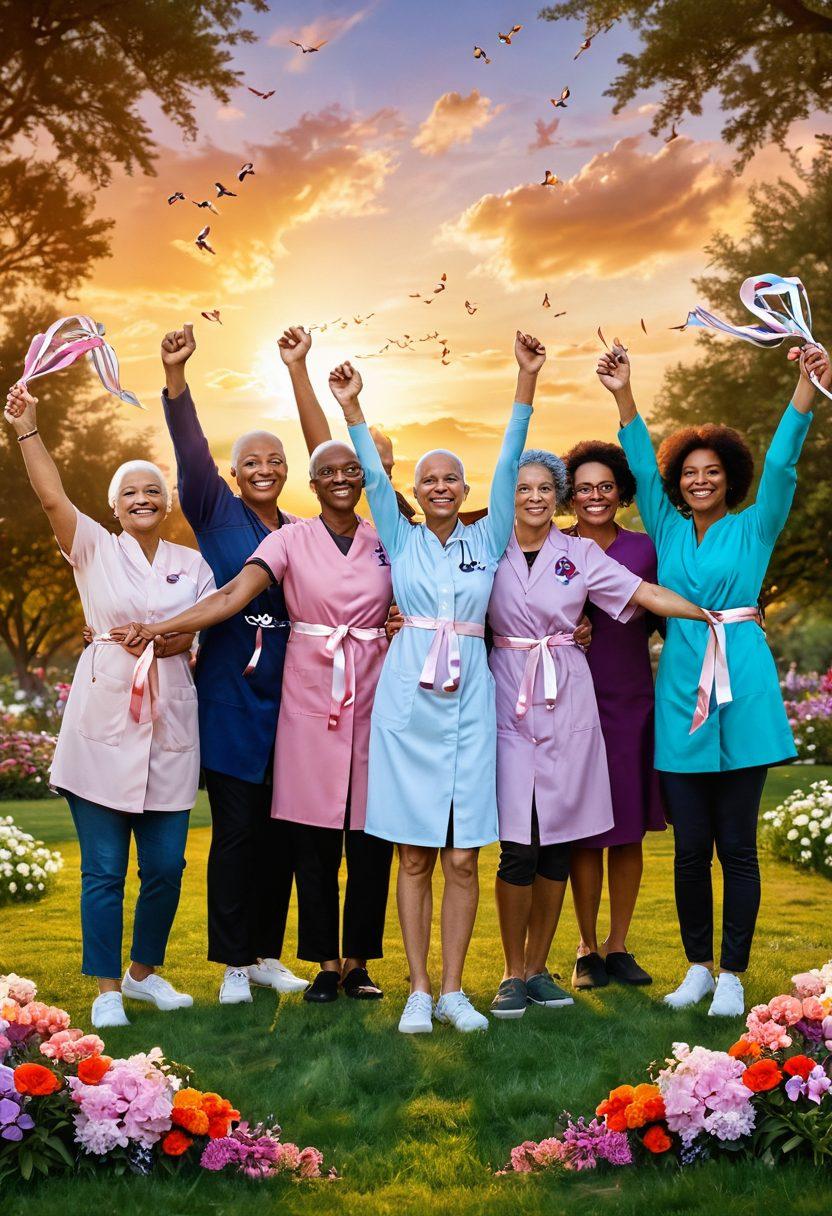
Empowering Survivorship: Navigating the Journey of Cancer with Hope and Knowledge
In the daunting world of cancer, one thing becomes increasingly clear: hope is not just a fleeting feeling but a powerful force that can shape the journey of survivorship. The embrace of knowledge acts as a sturdy lifeline through the tumultuous waters of illness, enhancing how patients navigate their battle against malignancy. With every advancement in medical research and treatment options, awareness of therapeutic options grows, fostering a community where support for patients isn't just a notion but a vibrant reality. Could it be that hope, coupled with the right knowledge and resources, is the best medicine?
Reflect for a moment on what it means to live with cancer. Whether you're diagnosed yourself or providing support for a loved one, the emotional weight can often overshadow the clarity needed to make well-informed decisions. This is why healthcare professionals emphasize the importance of education in disease management. Engaging in oncological studies and learning about advancements in symptom management, such as immunotherapy or radiation therapy, can equip individuals with the tools they need to tackle their diagnosis head-on. Have you considered the power of community support in managing not just the physical aspects, but also the emotional well-being that cancer challenges?
Imagine attending a support group where individuals share not just their struggles, but also their successes and coping strategies. Knowing that you're not alone in your journey can significantly enhance the road to recovery. Emotional support, coupled with guidance on a healthy lifestyle and nutritional counseling, serves as a proactive approach to illness prevention and survivorship. It’s essential, especially in times of uncertainty, to seek patient resources that provide reliable information on clinical guidelines and treatment advances. What does it take to transition from merely surviving cancer to thriving beyond it?
The complexities of cancer treatment demand an awareness that extends beyond the doctor’s office. From understanding clinical trials to exploring surgical options, patients are empowered when they actively engage in their care. The more one knows about cancer statistics and early detection strategies, the better equipped they become to make informed choices that can steer their treatment plan in a favorable direction. How do you feel knowing that each piece of information gathered can be a stepping stone to your healing journey?
Ultimately, the journey of living with cancer isn’t just about the struggle; it's about resilience and rebirth. Armed with a wealth of knowledge and the unwavering support of a community, individuals facing cancer can transform their outlook. The combination of therapeutic options, emotional support, and personalized care paves the path toward not just survivorship but a vibrant, fulfilling life post-diagnosis. Let’s cherish the stories of hope and embrace the available resources that can make all the difference in the journey ahead. What chapter are you ready to write in your cancer story?
From Patients to Survivors: Understanding Cancer Management and Therapeutic Advances
Cancer is a journey that no one wishes to embark upon, yet for countless individuals, it becomes an undeniable part of life. The term malignancy, often shrouded in fear, can evoke feelings of despair and uncertainty. However, understanding the path from patient to survivor is crucial. As the landscape of healthcare evolves, so do the therapeutic options available. This blog will not only delve into the intricacies of cancer management but also explore the inspiring stories of those who have successfully navigated their way through this journey, shedding light on the advances in medical research that continue to pave the way for hope. Why is it important to transition from being merely a patient to embracing the identity of a survivor?
When we consider oncological studies and the advancements in treatment advances like immunotherapy and radiation therapy, the narrative surrounding cancer begins to shift. Patients now have greater access to clinical trials and patient resources, allowing for a more profound engagement in their health education. Imagine this: a newly diagnosed patient, overwhelmed by the weight of their illness, suddenly finds themselves empowered by knowledge and support for patients. They learn about the latest breakthroughs in disease management and are inspired by success stories of others who have triumphed. This shift from fear to empowerment is essential and is anchored by cancer awareness campaigns that promote early detection and illness prevention.
Living with cancer is not solely about fighting a disease; it’s also about embracing well-being and adopting coping strategies to navigate the rough waters of treatment and beyond. Emotional support is paramount during this time. Whether it’s through community support groups or counseling, the understanding that others share in this journey can be a lifeline. Picture yourself sitting in a circle, sharing laughter and tears, and finding solidarity among strangers who understand your struggles. This sense of connection builds resilience, nurtures hope, and ultimately fosters a healthy lifestyle that can aid recovery. How can we leverage these connections to enrich our lives during treatment?
Nutrition plays a pivotal role in cancer survivorship. Nutritional guidance can significantly impact symptom management and overall quality of life. Survivors often share their battles with fatigue, nausea, and weight fluctuations, all highlighting the need for tailored dietary advice. How do we maintain a balanced diet when everything feels so unbalanced? Access to credible patient resources can provide answers. Collaborations with dietitians who specialize in oncology can help patients navigate the complexities of food choices in a way that emphasizes strength and sustenance rather than restriction.
Lastly, the power of palliative care cannot be understated in the journey to survivorship. It’s a common misconception that palliative care only comes at the end of life. In reality, it’s about comfort, relief, and enhancing quality of life for patients at any stage of their illness. The focus on symptom management allows individuals to continue pursuing their passions and living fully, despite their diagnosis. As we explore these multi-faceted approaches and innovations in healthcare, we must remember that survivorship is not just about living longer, but living better. As we embrace this empowering journey, we stand together in hope, knowledge, and the promise of a brighter tomorrow.
Navigating the Road to Recovery: Essential Insights on Illness Prevention and Emotional Well-being
Navigating the road to recovery from a cancer diagnosis can often feel like walking through a dense fog. Questions about illness prevention, emotional well-being, and treatment options swirl around you, leaving many to wonder: how do I find clarity? Every day, individuals are faced with a malignancy that turns their world upside down, but with hope and knowledge, they can emerge stronger. Embracing survivorship is about more than just surviving - it’s an active engagement with one’s health and well-being, creating a path toward healing and understanding that many can walk together.
At the heart of survivorship is an awareness of the resources available. Knowledge is power, especially when it comes to cancer awareness and disease management. What if we could tap into the latest oncological studies, allowing us to make informed decisions about our health? By actively participating in health education and seeking out patient resources, we gain insight into therapeutic options like immunotherapy or radiation therapy, along with the latest treatment advances emerging from medical research. Consider this: when did you last educate yourself on potentially life-saving options?
Emotional support is equally crucial on this journey. The reality of living with cancer can feel isolating, but it’s vital to remember you are not alone. Community support can be a lifeline. Connecting with fellow survivors or joining support groups can foster a sense of belonging and provide comfort during challenging times. Have you found a community that uplifts you? Sharing stories and coping strategies can help diffuse fears while reminding us that together, we can weather any storm.
Health and well-being are not just about medical interventions; they also encompass a healthy lifestyle. Nutrition plays a pivotal role in recovery and prevention. Incorporating nutritional guidance into your daily routine can significantly enhance your quality of life. What if a few small dietary changes led to improved energy levels or better symptom management? Simple acts like choosing whole foods, staying hydrated, and staying active can pave the way for a healthier life post-treatment. Imagine feeling empowered every day through the food you eat!
Lastly, let’s not forget the importance of early detection and the ongoing contributions of clinical trials in advancing cancer treatment. These studies pave the way for revolutionary approaches like surgical options and palliative care that prioritize the patients’ quality of life. By staying informed and engaged with clinical guidelines, you can be a proactive participant in your healthcare. As you navigate this journey, always ask, how can I empower myself further? Each step you take towards understanding your illness and surrounding yourself with support strengthens the fabric of survivorship.